Sustainability
Responsible luxury, rooted in the land
Our Pledge
Guests of the Land
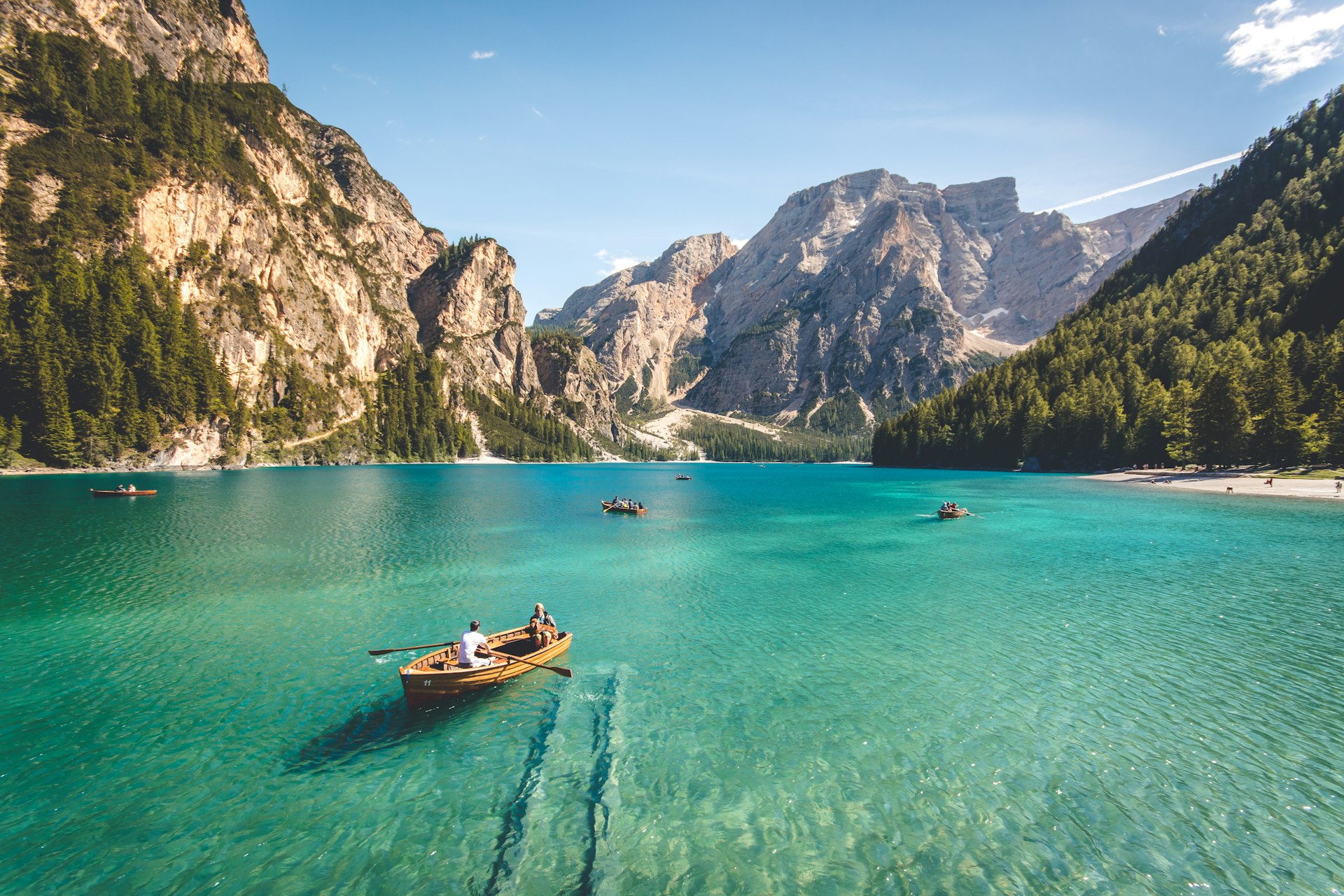
At Verdanta, we see ourselves not as owners of this land, but as its temporary custodians. The Nilgiri Biosphere Reserve — a UNESCO World Heritage site — is one of the planet's most biodiverse landscapes, and we are acutely aware of the responsibility that comes with building a hospitality business within it. Every decision we make begins with a simple question: does this serve the land as much as it serves our guests?
Energy & Water
Living Lightly
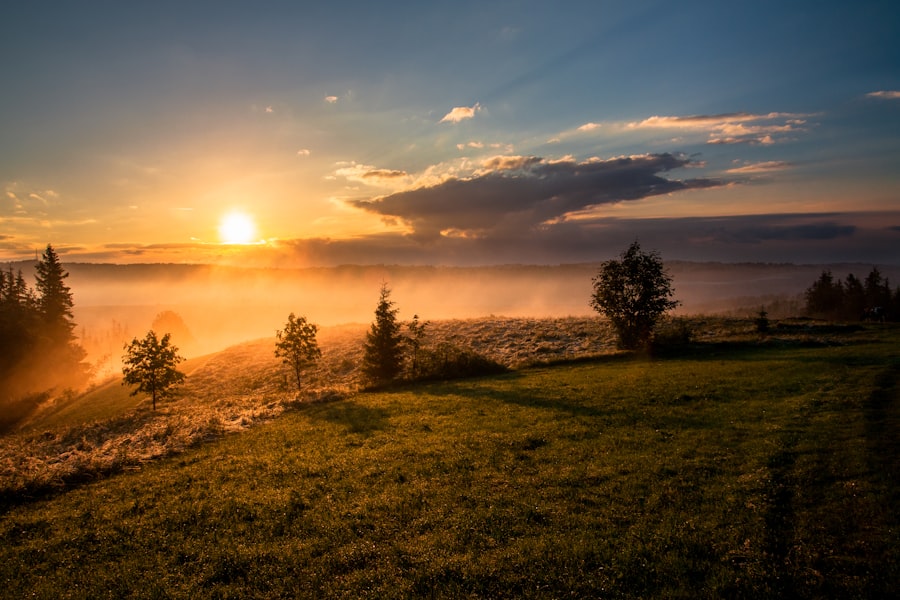
Verdanta generates 70% of its electricity through a combination of rooftop solar panels and a micro-hydro turbine fed by a perennial estate stream. Our buildings are designed with passive cooling — thick stone walls, cross-ventilation corridors, and deep verandas — minimising the need for mechanical climate control at our temperate altitude.
Rainwater is harvested across the estate and stored in underground sumps, providing most of our non-potable water needs. All greywater is treated through a constructed wetland system and used for garden irrigation. We have eliminated single-use plastic across the property since opening day.

Food & Waste
The Five-Mile Pantry
Over 80% of what our kitchens serve is sourced within five miles of the estate — from our own kitchen garden, nearby organic farms, and the Toda pastoral community. This is not a marketing claim; it is an operational commitment tracked by our procurement team each month.
Food waste is composted on-site and returned to our gardens. We operate a near-zero-waste kitchen, with root-to-leaf cooking philosophy and preservation techniques (pickling, fermenting, dehydrating) that transform what would be waste into new ingredients. Our composting facility processes approximately 200 kg of organic waste weekly.
"Sustainability is not a programme we run. It is the way this estate has been managed for a hundred years. We are simply continuing a tradition."
Arjun Raghavan, Founder
Biodiversity
Protecting the Shola
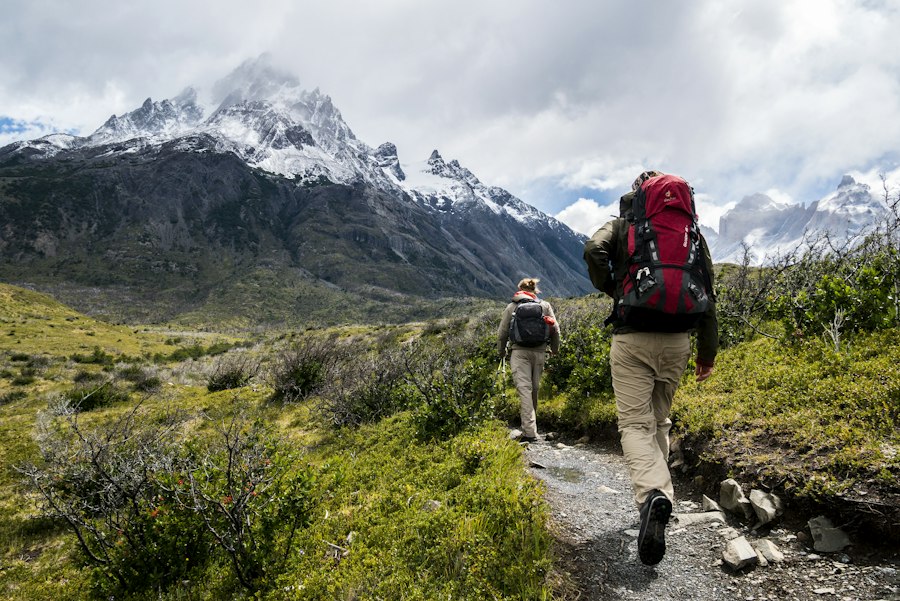
Fifteen acres of our 40-acre estate are designated as a conservation zone — native shola forest that we have committed to preserving in perpetuity. We work with the Nilgiri Natural History Society to monitor bird populations (over 120 species recorded on the estate) and have planted over 3,000 native saplings since 2020 to restore degraded areas.
We have removed all invasive species (eucalyptus and wattle) from the conservation zone and replaced them with indigenous species including rhododendron, magnolia, and Nilgiri elm. A wildlife corridor connecting our estate to the adjacent reserve forest has been established to support the movement of Nilgiri marten and other endemic species.
Community
Partners, Not Suppliers
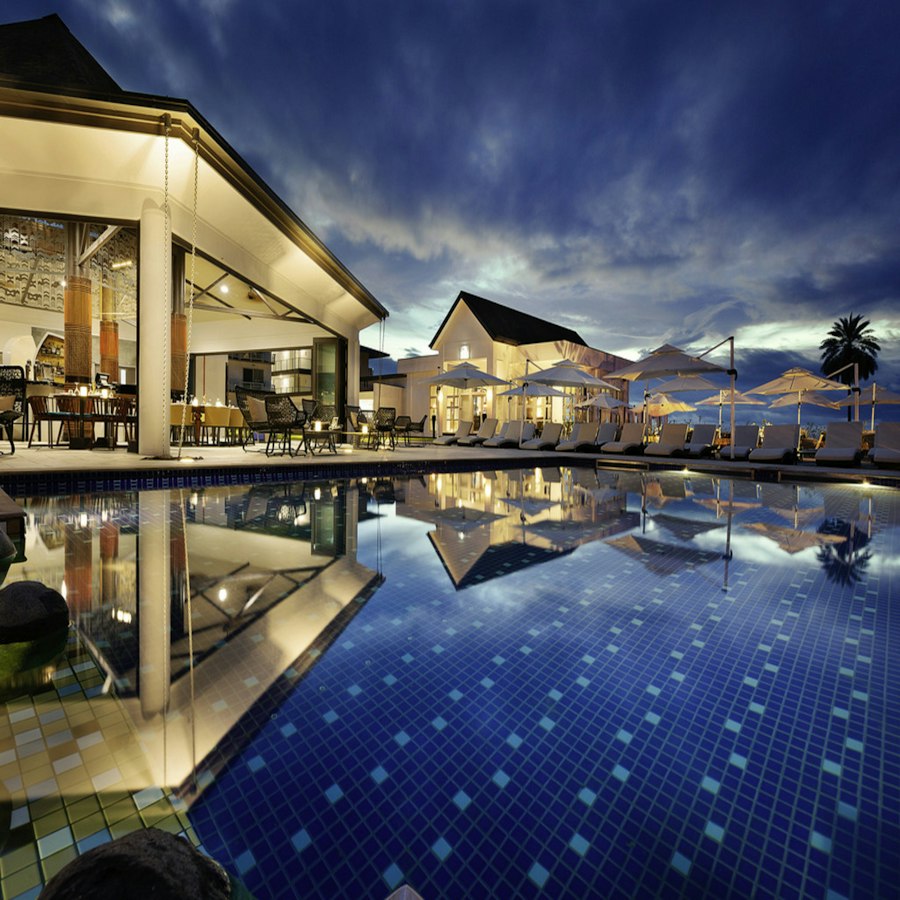
Eighty percent of our team is from the Nilgiri hills. We pay above-market wages, provide housing support, and sponsor education for the children of estate workers through the Verdanta Foundation.
Our partnerships with Toda tribal artisans, local dairy cooperatives, and organic farmers are structured as fair-trade relationships with guaranteed minimum purchase agreements. We also contribute 2% of annual revenue to the Nilgiri Hills Conservation Trust, which supports wildlife corridor restoration, anti-poaching patrols, and environmental education in local schools.
Our Goals
Looking Ahead
By 2028, we aim to achieve 100% renewable energy use, complete carbon neutrality through a combination of on-site generation and verified offset projects within the Nilgiri Biosphere, and the restoration of all 15 acres of our conservation zone to mature native shola forest. We publish an annual sustainability report, available upon request.